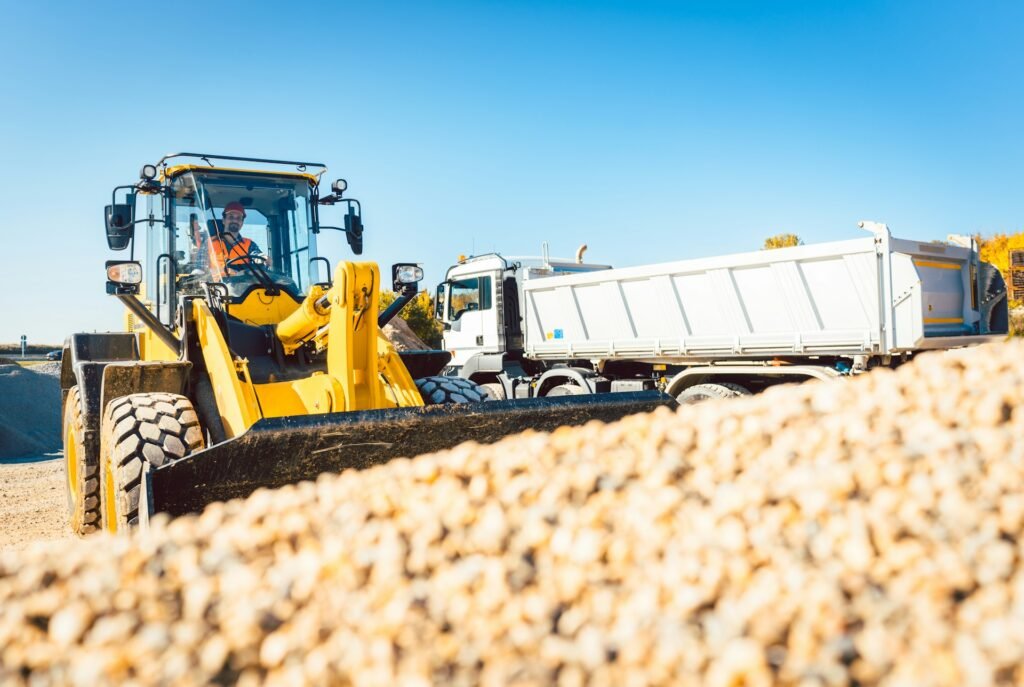
Short-term building projects often require specialist machinery for excavation, lifting, ground preparation and material transportation. Purchasing equipment for temporary use can place unnecessary pressure on a construction budget, particularly when machinery may remain unused after completion. Hiring provides an alternative that allows homeowners and contractors to access appropriate equipment without the responsibilities associated with long-term ownership.
Choosing plant hire Buckinghamshire can help homeowners and contractors obtain suitable machinery for property extensions, landscaping and smaller construction projects. With careful planning, hiring equipment can improve productivity, simplify project management and allow financial resources to be allocated towards other essential construction requirements.
Reducing Initial Construction Expenses
Purchasing construction machinery requires a substantial financial commitment that may be difficult to justify for temporary projects. Additional expenses, including maintenance, insurance, storage and transportation, can further increase the overall cost of equipment ownership.
Using plant hire Buckinghamshire allows homeowners and contractors to access machinery for specific periods rather than committing to permanent ownership. This approach can make budgeting more manageable, particularly when different construction stages require different types of equipment.
Accessing the Right Machinery for Each Construction Stage
Building projects often involve several activities requiring specialist machinery. Excavation, ground levelling, material transportation and surface preparation demand equipment with different capabilities. Hiring allows contractors to select machinery according to the requirements of each task.
Common types of equipment available for short-term building projects include:
- Mini excavators for digging foundations and trenches.
- Dumpers for transporting soil and construction materials.
- Compactors for preparing stable ground surfaces.
- Telehandlers for lifting and positioning suitable materials.
- Concrete mixers for smaller construction activities.
Selecting machinery according to site conditions and project requirements helps avoid unnecessary expenses while supporting efficient construction work.
Minimising Maintenance and Repair Responsibilities
Owning construction machinery involves ongoing maintenance responsibilities, even when equipment is not being used regularly. Mechanical repairs, servicing and replacement components can create additional expenses that continue beyond the completion of a building project.
Equipment hire can reduce these ownership-related responsibilities, although users must still carry out appropriate pre-use checks and follow the hire agreement. Homeowners and contractors should clarify maintenance arrangements, breakdown procedures and liability for accidental damage before booking machinery.
Making Better Use of Limited Construction Space
Residential construction projects frequently involve restricted working areas, narrow driveways and limited equipment storage. Keeping unnecessary machinery on site can obstruct access routes and interfere with material deliveries or other construction activities.
Hiring equipment only when required helps maintain a more organised working environment. Compact machinery may also be suitable for properties with limited access, provided contractors assess entrance widths, ground stability and operating space before arranging delivery.
Improving Flexibility When Project Requirements Change
Construction schedules can change because of weather conditions, unexpected ground problems or delays involving materials and labour. Owning unsuitable machinery may create difficulties when additional equipment becomes necessary to complete different tasks.
Hiring provides greater flexibility by allowing contractors to arrange equipment according to changing requirements. However, availability and hire extensions should be confirmed with the provider, particularly when delays affect the original construction schedule.
Planning Equipment Hire Around Construction Activities
Effective scheduling ensures machinery arrives when the site is ready for its intended use. Equipment delivered too early may remain unused, increasing hire expenses without contributing to project progress.
Homeowners should coordinate equipment bookings with their contractors and establish realistic timeframes for excavation, groundwork and material handling. Confirming delivery and collection arrangements also helps reduce unnecessary interruptions and avoid paying for equipment after its work is completed.
Avoiding Long-Term Storage and Depreciation Costs
Construction machinery requires suitable storage to protect it from weather exposure, theft and accidental damage. For homeowners undertaking occasional building projects, providing secure storage after construction may be impractical.
Hiring removes the need to retain machinery once the project finishes. It also avoids the financial implications of equipment depreciation, which can affect the resale value of purchased machinery over time.
Prioritising Safety When Hiring Construction Equipment
Construction machinery must be operated safely, regardless of whether it is hired or owned. Selecting unsuitable equipment or allowing inexperienced individuals to operate machinery can increase the risk of accidents, property damage and construction delays.
Before equipment arrives, contractors should assess site hazards, identify underground services and establish safe operating areas. Machinery should only be operated by competent individuals who understand its controls, limitations and manufacturer instructions.
Comparing Hire Costs Before Making a Decision
Although hiring can be cost-effective for temporary projects, homeowners should consider the complete cost rather than focusing solely on advertised hire rates. Transportation, fuel, insurance arrangements and additional equipment attachments may influence overall expenditure.
Obtaining detailed quotations and reviewing hire conditions helps homeowners compare available options accurately. Establishing realistic hire periods and understanding potential additional charges can prevent unexpected expenses during construction.
Conclusion
Hiring plant equipment provides a practical alternative to purchasing machinery for short-term building projects. It reduces upfront expenditure, limits long-term storage responsibilities and gives contractors access to equipment suited to different construction activities.a
By assessing site conditions, comparing hire costs and coordinating machinery requirements with construction schedules, homeowners can make better financial and practical decisions. Careful equipment planning supports safer, more organised building projects without the ongoing responsibilities of machinery ownership.