Construction projects depend on careful planning, efficient resource use, and effective site organisation to achieve successful results. One area that has gained increasing attention is waste management, as poor handling of construction materials can create delays, safety concerns, and unnecessary costs. Modern waste management practices are helping building projects become more efficient by improving material handling, supporting recycling, and creating cleaner working environments. These approaches are transforming how local construction teams manage resources throughout every stage of development.
For many building projects, professional services such as skip hire Maidenhead provide a practical solution for managing construction waste efficiently. Whether handling renovation materials, demolition debris, or general site waste, suitable waste collection methods help keep projects organised and productive. Responsible disposal solutions also support environmental goals by encouraging recycling and reducing the amount of material sent to landfill.
The Importance of Efficient Waste Management in Construction
Construction efficiency is influenced by many factors, including labour, materials, equipment, and site conditions. Waste management is an important part of this process because poorly managed waste can interrupt workflows and reduce available working space.
Modern waste strategies focus on reducing unnecessary waste, improving recycling rates, and ensuring materials are handled correctly from the beginning. By introducing structured waste procedures, construction companies can improve productivity while supporting safer and cleaner project environments.
How Waste Management Supports Building Efficiency
Effective waste management helps projects by:
- Reducing site clutter
- Improving worker safety
- Saving time during construction
- Supporting better resource planning
- Lowering disposal costs
These benefits demonstrate why waste management is now considered a key part of successful building operations.
Smarter Solutions for Construction Waste Removal
Traditional waste disposal methods often involved removing materials without considering their potential for reuse or recycling. Modern approaches focus on recovering valuable resources and reducing environmental impact.
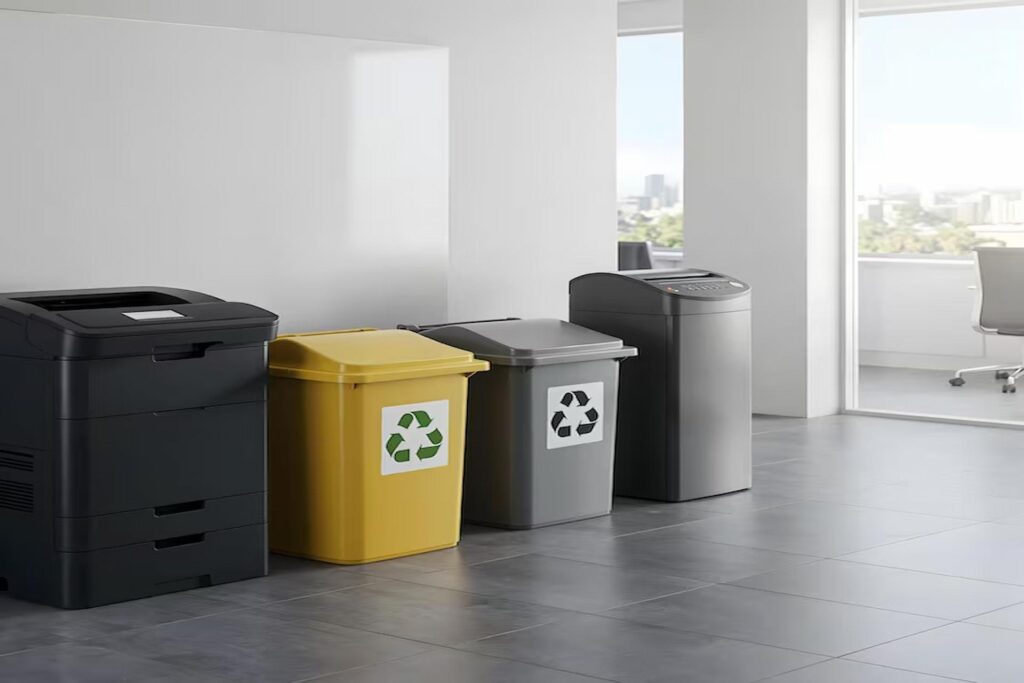
For construction teams working on projects in Maidenhead, services such as skip hire Maidenhead help simplify waste collection by providing suitable containers for different materials. This allows builders to separate waste effectively and maintain better control over the disposal process.
Improving Site Organisation Through Better Planning
A well-organised construction site allows workers to complete tasks more efficiently. Waste accumulation can create obstacles, increase safety risks, and slow down daily operations. Effective waste planning prevents these issues by creating clear systems for storage, sorting, and removal.
Before construction begins, project managers can assess expected waste volumes and identify the most suitable collection methods. This preparation helps ensure materials are managed correctly throughout the project.
Key Waste Planning Considerations
Construction teams should consider:
- Types of materials being removed
- Available site space
- Recycling opportunities
- Collection schedules
- Local waste regulations
- Project timelines
Early planning creates smoother workflows and helps avoid unnecessary disruption.
Supporting Sustainability Through Recycling
Sustainable construction practices are becoming increasingly important as businesses and communities focus on reducing environmental impact. Recycling allows materials such as concrete, wood, metal, and bricks to be processed and reused rather than discarded.
Modern waste management systems encourage construction companies to separate materials at the source. This makes recycling more effective and reduces contamination between different waste types.
Benefits of Construction Recycling
Recycling initiatives can provide:
- Reduced landfill use
- Lower demand for new materials
- Improved environmental performance
- Better compliance with sustainability standards
- More efficient resource management
These advantages support both project efficiency and wider environmental objectives.
Technology Improving Waste Management Processes
Technology is playing a growing role in modern construction waste handling. Digital tracking systems, project management software, and data analysis tools allow teams to monitor waste production and improve decision-making.
Construction companies can now track material usage, identify waste reduction opportunities, and improve communication between different teams. These improvements help create more accurate planning and better control over project resources.
Reducing Costs Through Better Resource Management
Waste management is not only an environmental consideration; it also affects project budgets. Materials that are wasted unnecessarily increase costs through additional purchasing, transportation, and disposal requirements.
By improving material planning and recycling practices, construction teams can reduce avoidable expenses. Efficient waste systems help ensure resources are used effectively, creating financial benefits throughout the construction process.
Practical Ways to Reduce Construction Waste
Builders can improve efficiency by:
- Ordering accurate material quantities
- Reusing suitable materials
- Protecting materials from damage
- Separating recyclable waste
- Monitoring waste levels regularly
These simple strategies can contribute to significant improvements in project performance.
Creating Safer Construction Environments
A clean and organised site is safer for workers and visitors. Excess waste can create hazards such as blocked walkways, unstable piles, and increased risks of accidents. Effective waste management reduces these concerns by ensuring materials are stored and removed properly.
Professional waste solutions also help construction teams maintain a more professional working environment. This supports better productivity and demonstrates a commitment to responsible building practices.
The Future of Local Building Efficiency
As construction methods continue to develop, waste management will remain a major factor in improving project efficiency. Future building projects are expected to focus more on circular practices, material recovery, and smarter resource use.
Local construction teams that adopt modern waste solutions can benefit from improved organisation, reduced costs, and stronger sustainability performance. Efficient waste handling is becoming an essential part of delivering successful building projects.
Building Better Practices
Modern waste management practices are changing how construction projects operate by improving efficiency, safety, and sustainability. Through better planning, recycling, and professional waste removal solutions, building teams can reduce unnecessary delays and manage resources more effectively. Responsible waste strategies support cleaner sites, lower costs, and improved environmental outcomes. As construction demands continue to grow, adopting smarter waste management approaches will help local projects achieve better results while creating a more sustainable future for communities and businesses.