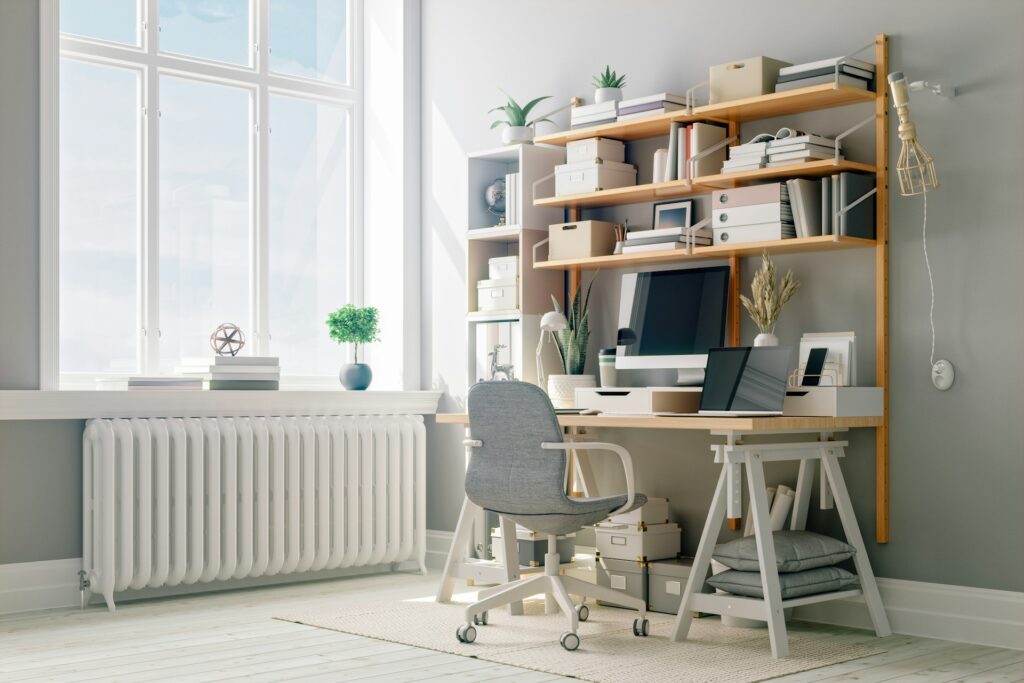
A radiator changing colour is not always a sign of a serious problem, but it should not be ignored. Discolouration can result from everyday wear, dust, moisture, corrosion, or heat exposure. Knowing what different colour changes mean can help you decide whether simple cleaning, routine maintenance, or a replacement is the right next step.
Radiators are built to provide dependable heat for many years, so an unexpected colour change can be easy to dismiss. Understanding why your radiator has changed colour can help you identify whether the issue is simply cosmetic or a sign of dust, moisture, corrosion, or heat-related wear that requires attention.
Yellowing, dark streaks, rust-coloured spots, fading, bubbling, or peeling paint may each point to a different cause. Some changes are linked to dust, sunlight, or ordinary ageing, while others may indicate moisture, a damaged coating, corrosion, or a wider heating-system concern. Looking at the colour, position, and condition of the affected area can help you decide whether cleaning, maintenance, or replacement is the most appropriate solution. Early attention protects the radiator’s appearance, supports efficient heating, and may prevent a minor surface issue from becoming more serious.
Why Radiator Discolouration Should Not Be Ignored
Most homeowners focus on whether a radiator feels warm rather than how it looks. If it continues heating the room, a change in colour may seem unimportant. However, the outer finish can offer useful clues about conditions around the radiator and possible deterioration beneath the surface.
A healthy radiator should normally have an even coating without rust, damp marks, peeling paint, or unexplained staining. A small mark is not automatically serious, but any change that spreads, returns after cleaning, or appears beside a valve or pipe connection deserves closer attention. Discolouration may be harmless, yet it can also be an early warning of moisture or corrosion.
Yellowing Is Often Caused by Heat and Residue
Yellowing is especially noticeable on white radiators. It can develop when dust, cooking residue, smoke particles, or other airborne material settles on the surface and is repeatedly heated. Over time, this residue becomes harder to remove and may leave the finish looking cream, dull, or uneven.
Mild yellowing is usually cosmetic rather than a sign that the radiator is failing. Regular gentle cleaning and better ventilation may slow the change. Avoid harsh chemicals and rough pads because they can damage the protective coating. Rapid or strongly uneven yellowing should be monitored, particularly when it appears with unusual heat patterns or visible surface damage.
Dark Streaks Usually Relate to Dust and Airflow
Grey or black streaks above a radiator can look worrying, but they are often connected with moving air. As warm air rises, it carries fine dust particles that settle in repeated patterns across the radiator or on the wall above it.
Turn off the heating, allow the radiator to cool completely, and clean it with a soft cloth and a mild, suitable cleaner. Dust behind the radiator and around the top grille should also be removed where safely accessible. If the marks return quickly, improving room cleaning and airflow may reduce further build-up.
Brown or Orange Spots May Indicate Rust
Brown or orange marks require more attention because they can suggest rust. Corrosion may begin when moisture reaches exposed metal through a scratch, chip, weakened coating, or area where paint has started to break down. Condensation and persistent dampness can increase the risk.
Do not simply paint over a rusty mark without checking the cause. Look for moisture around valves, pipe joints, the lower edge, and the nearby wall or floor. A small area may be manageable, but spreading marks, flaking metal, or damp staining can indicate deeper deterioration. Professional assessment is advisable when the affected area continues growing or feels weakened.
Bubbling or Peeling Paint Can Signal Moisture
Paint that bubbles, lifts, or peels often means moisture has reached beneath the finish. This may result from condensation, a slow leak, repeated damp conditions, or previous damage that has weakened the protective coating.
Switch off the heating and let the radiator cool before inspecting it. Check the valves, connections, wall, and flooring for moisture. Avoid scraping away large sections of paint while the cause remains unknown because exposed metal becomes more vulnerable to corrosion. Persistent dampness, visible leakage, or widespread peeling should be examined by a qualified heating professional before refinishing is considered.
Fading Can Develop Through Age and Heating Cycles
A radiator’s finish may gradually lose brightness as it ages. Repeated heating and cooling, sunlight, unsuitable cleaning products, and ordinary household wear can all affect the coating. The result may be dullness, patchy fading, or a visible difference between warmer and cooler areas.
Fading alone is usually less urgent than rust or bubbling paint. Even so, the pattern matters when considering why your radiator has changed colour. Even fading across the surface often suggests normal wear, while a concentrated patch near a valve, joint, damp wall, or damaged section may point to a local issue needing closer inspection.
Room Conditions Can Affect the Radiator’s Finish
The condition of the room can influence how quickly a radiator changes colour. Furniture placed too close may restrict airflow, while curtains can trap heat around the surface. Damp walls may affect one side of the radiator more than the other, and strong sunlight can gradually fade exposed sections.
Kitchens can also create more airborne residue because cooking oils and steam may settle on nearby surfaces. Bathrooms and utility rooms often contain more moisture, increasing the possibility of condensation around the radiator. Maintaining reasonable ventilation and leaving enough space for air to circulate can help reduce staining and uneven wear.
Check Whether Heating Performance Has Changed
A colour change becomes more concerning when it appears alongside poor heating performance. Check whether the radiator takes longer to warm, develops cold areas, makes unusual noises, or produces less heat than nearby radiators.
Cold patches may be linked to trapped air, sludge, or poor water circulation rather than the outer finish itself. However, discolouration and poor performance appearing together can suggest that the radiator or wider system needs attention. A heating professional can assess the internal condition, system water quality, valves, and circulation without relying on appearance alone.
Safe Checks You Can Carry Out at Home
Begin with a visual inspection while the radiator is completely cool. Examine the front, sides, lower edge, valves, and pipe connections. Note whether the mark is yellow, grey, rusty, faded, blistered, or wet. Check the nearby wall and floor because moisture can leave signs beyond the radiator itself.
Clean a small area gently to see whether the mark is surface dirt or a permanent change in the finish. Avoid abrasive products, harsh chemicals, and excessive water. Once the surface is dry, run the heating and observe whether the radiator warms normally. Do not loosen connections or dismantle valves unless you are qualified. Visible leaks, spreading rust, recurring dampness, or serious surface damage require professional advice.
Cleaning the Radiator Without Damaging It
Regular cleaning can prevent dust and residue from becoming fixed to the surface. Always allow the radiator to cool first. Use a soft, slightly damp cloth with a gentle cleaning product suitable for painted surfaces. Dry the radiator afterwards so that moisture does not remain around scratches, joints, or exposed areas.
Avoid wire brushes, abrasive sponges, bleach, and powerful chemical cleaners. These products may remove dirt quickly, but they can also damage the protective finish. Once the coating is weakened, moisture can reach the metal more easily and create conditions for rust.
Regular Care Can Help Prevent Further Changes
Simple maintenance can help a radiator retain its appearance. Dust the surface regularly, including accessible spaces behind it, and wipe marks before repeated heating makes them harder to remove. Keep damp clothing away from standard painted radiators unless the product is specifically designed for drying.
Regular heating-system servicing and early attention to leaks or pressure loss can also reduce corrosion-related risks. Good ventilation matters in rooms where condensation is common. Protect the finish from knocks and scratches, as even a small damaged area may allow moisture to reach the metal beneath.
When Professional Attention Is Necessary
Professional advice is sensible when rust continues to spread, moisture repeatedly appears, the paint is lifting across a wide area, or the radiator starts leaking. Help should also be sought when discoloration appears alongside repeated boiler-pressure loss or reduced heating performance.
A qualified heating professional can determine whether the problem is limited to the surface or connected to corrosion, sludge, poor circulation, or water-treatment issues within the system. Acting early may allow the problem to be controlled before it affects the radiator’s structure or leads to water damage.
When Replacement May Be the Better Choice
Minor staining and light fading may only need cleaning. Replacement becomes more likely when corrosion is extensive, paint damage keeps returning, the surface has weakened, or the radiator has started leaking. Poor heat output alongside visible deterioration may also suggest that repair will not provide reliable long-term value.
A replacement should suit the room’s heat requirement, available wall space, pipe positions, and heating-system compatibility. Standard panel, vertical, column, designer, bathroom, and electric radiators meet different practical needs, so correct sizing and professional installation remain important.
Conclusion
Radiator colour changes can range from harmless surface staining to early evidence of moisture or corrosion. Yellowing often develops through heat and airborne residue, while dark streaks are usually linked to dust movement. Brown or orange marks, bubbling paint, recurring dampness, and exposed metal require greater attention because they may signal deterioration beneath the finish. Start with a cool radiator, inspect it carefully, clean gently, and watch for changes in heating performance. Regular dusting, good ventilation, system maintenance, and prompt action around leaks can protect both appearance and reliability. Knowing why your radiator has changed colour helps you respond calmly rather than ignoring a useful warning sign. When damage spreads, moisture returns, or heat output declines, seek professional advice so the cause can be assessed safely and the radiator repaired or replaced before a larger problem develops.