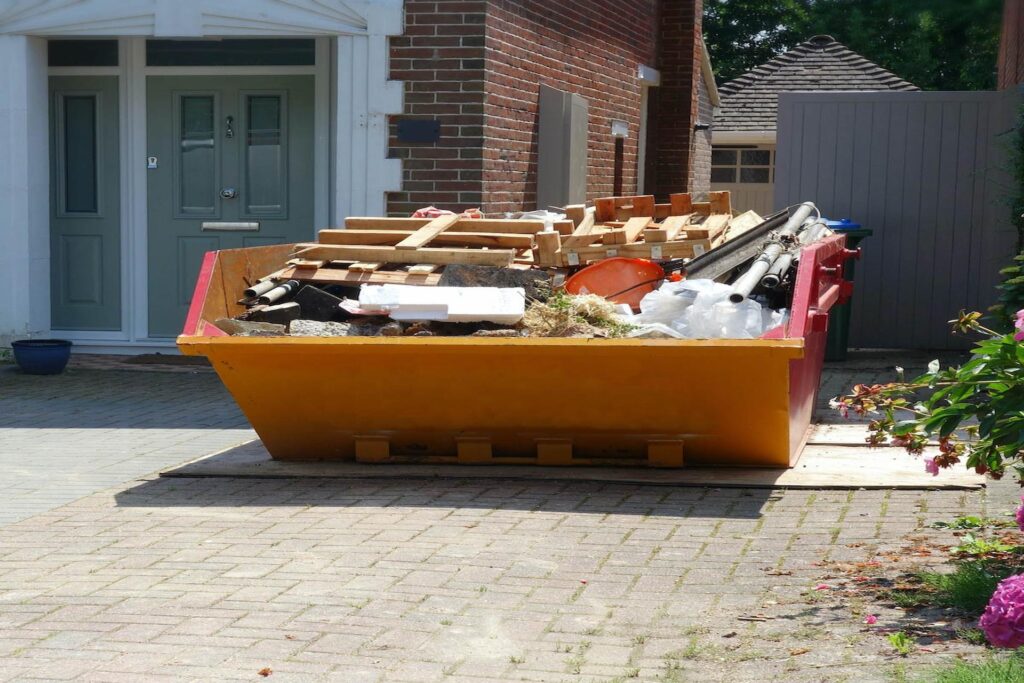
Hiring a skip can make a house clearance, renovation or landscaping project considerably easier. However, choosing the wrong size, overlooking permit rules or loading unsuitable waste can lead to extra charges and frustrating delays.
If you are arranging skip hire Hounslow services, careful planning will help you get better value and keep the project running smoothly. Here are seven common mistakes to watch for and practical ways to avoid them.
1. Choosing the Wrong Skip Size
Selecting a skip based only on price is a common error. A small skip may appear economical, but hiring a second one after it fills up can cost more than ordering the correct size initially.
Think about both the volume and type of waste your project will produce. Bulky furniture takes up space quickly, while rubble and soil create considerable weight.
How to Avoid It
Explain your project clearly when requesting a quote. Tell the provider whether you are clearing a garden, replacing a kitchen or renovating an entire property. An experienced company should be able to recommend an appropriate skip capacity.
2. Forgetting About a Road Permit
You will usually need permission if the skip is placed on a public road rather than private land. Booking delivery without checking this requirement may cause delays or result in the skip being removed.
Permit charges and processing times can vary. Local rules may also require safety lights, reflective markings and traffic cones around the container.
How to Avoid It
Confirm where the skip will stand before booking. Ask whether the hire company arranges the permit or whether you must apply through the local authority yourself. Allow sufficient time for the application to be approved.
3. Putting Prohibited Items in the Skip
General skips can accept many everyday materials, but certain items require specialist waste disposal. Throwing restricted materials into the container may lead to additional fees, rejected collection or environmental harm.
Commonly restricted items include:
- Asbestos
- Batteries
- Gas cylinders
- Fridges and freezers
- Paint, solvents and chemicals
- Tyres
- Fluorescent tubes
- Electrical appliances
- Clinical or medical waste
How to Avoid It
Ask for a complete list of prohibited items before loading begins. If you have hazardous or electrical waste, arrange a suitable collection service rather than hiding it beneath general rubbish.
4. Overfilling the Container
Waste should never extend above the skip’s maximum fill line. Loose materials can fall onto the road during transportation, creating a serious danger for drivers, cyclists and pedestrians.
A collection driver may refuse to move an overloaded skip. You could then be asked to remove the excess waste or pay an additional charge.
How to Avoid It
Load the container carefully and check the fill level throughout the project. Break down suitable bulky objects and place smaller materials into gaps. If the skip is nearly full sooner than expected, contact the provider before adding more rubbish.
5. Ignoring Weight Restrictions
A skip may have spare physical space but still exceed its safe weight limit. Soil, concrete, bricks, tiles and other dense materials are much heavier than timber, packaging and general household waste.
Placing too many heavy materials in a large skip can make safe collection impossible. Mixing dense waste with bulky rubbish may also complicate recycling.
How to Avoid It
Tell the provider if your project involves substantial amounts of rubble, soil or concrete. They may recommend a smaller heavy-waste skip or separate containers for different waste streams.
6. Failing to Check Delivery Access
Skip lorries need enough room to enter the site, position the container and leave safely. Narrow gates, parked vehicles, overhanging branches and low cables can all prevent delivery.
Soft or uneven ground may also be unsuitable. Heavy skips can damage paving, lawns or driveways if the surface is not properly protected.
How to Avoid It
Measure the intended location and access route. Mention any gates, tight corners or overhead obstructions when booking skip hire Hounslow services. Protective boards may help reduce the risk of surface damage, but you should discuss this with the provider beforehand.
7. Comparing Quotes on Price Alone
The lowest quotation is not always the best deal. Some prices may exclude permits, extended hire, certain waste types or additional weight charges.
Choosing an unlicensed operator could also mean your rubbish is handled irresponsibly. As the waste producer, you have a duty to take reasonable steps to ensure it is transferred to an authorised business.
How to Avoid It
Ask what the quoted price covers, including:
- Delivery and collection
- Standard hire duration
- Permit fees
- Weight allowances
- Charges for particular items
- Recycling and disposal arrangements
Check that the provider is authorised to carry waste and offers clear booking terms. A transparent quote is often more valuable than a suspiciously low headline price.
Frequently Asked Questions
How Far in Advance Should I Book a Skip?
Booking several days ahead is sensible, especially during busy periods. More time may be needed when a road permit is required. Early booking also gives you a better choice of skip sizes and delivery dates.
How Long Can I Keep a Hired Skip?
The standard hire period varies between providers. Many companies offer hire for several days or one to two weeks, with extensions available for an additional fee. Confirm the collection date and extension charges before booking.
Can I Mix Different Types of Waste?
Many skips accept mixed non-hazardous waste, including timber, metal, packaging and household rubbish. However, plasterboard, electrical items, hazardous substances and heavy materials may need to be separated. Always check the provider’s acceptance policy.
Conclusion
Most skip hire problems can be avoided by planning. Choose the right size, confirm permit requirements, check access and understand which materials are accepted. Load the skip safely and compare quotations based on the complete service rather than price alone. Before your project begins, speak to a reputable local provider and give them an accurate description of your waste and site conditions.