Introduction
Giant inflatables are designed to be durable, visually striking, and suitable for repeated use across a wide range of environments. From large-scale events to branded installations, they are built to withstand handling, transport, and outdoor conditions. However, like any physical structure, inflatables are not immune to damage. Tears, punctures, and general wear can occur over time, particularly when used frequently or exposed to challenging conditions.
Understanding what happens when a giant inflatable gets damaged is essential for anyone investing in these structures. With the right approach to repair, maintenance, and long-term care, most issues can be resolved efficiently, allowing the inflatable to remain functional and visually effective for years.
Common Causes of Damage
Damage to giant inflatables can occur for several reasons, often depending on how and where they are used. Outdoor inflatables, in particular, are more exposed to environmental factors such as wind, rain, and UV exposure.
Physical contact is one of the most common causes. Sharp objects, rough surfaces, or improper handling during installation can lead to punctures or tears. Repeated folding and unfolding may also weaken certain areas over time, especially along seams.
In event settings, including large gatherings that feature festival inflatables, frequent use increases the likelihood of minor damage. Constant setup, dismantling, and transportation can gradually affect the material if not handled carefully.
Identifying the Type of Damage
When an inflatable is damaged, the first step is to assess the extent and nature of the issue. Not all damage requires the same level of repair, and accurate identification helps determine the best course of action.
Small punctures are usually easy to spot and often result in slow air leakage. Tears along seams or panels may be more visible and can affect the structural integrity if left untreated. In some cases, damage may not be immediately obvious but can be detected through reduced air pressure or uneven inflation.
Early detection is key. Addressing minor issues promptly can prevent them from developing into larger problems that require more extensive repairs.
Repairing Giant Inflatables
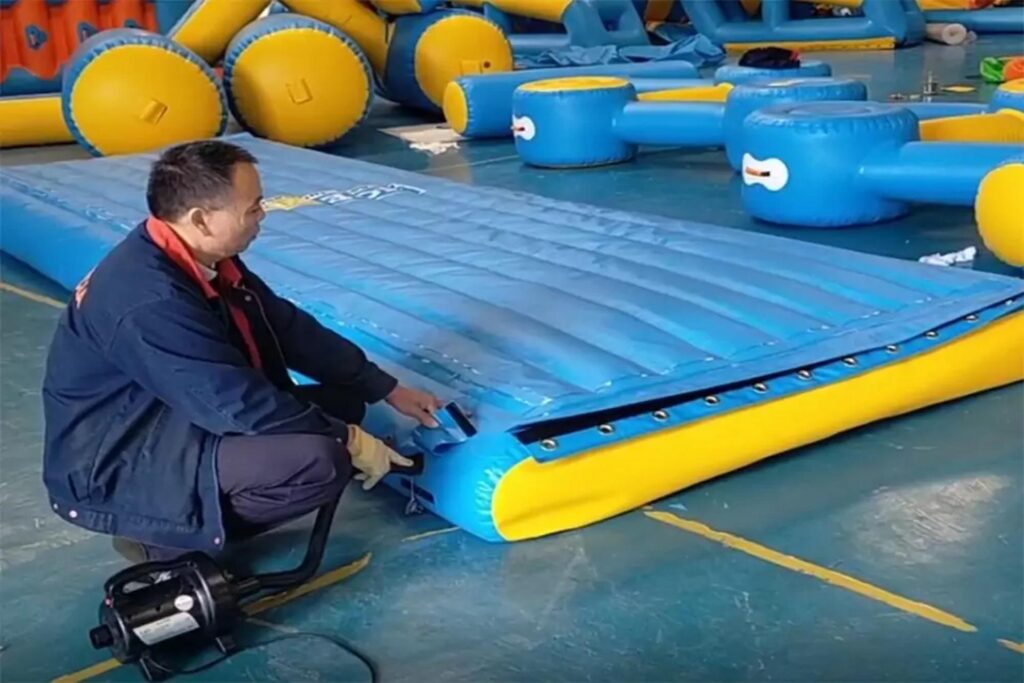
Most giant inflatables are designed with repairability in mind. Materials used in their construction, such as reinforced PVC or nylon, allow for effective patching and sealing when damage occurs.
For small punctures, repair kits are often sufficient. These typically include adhesive patches that can be applied directly to the affected area. The process involves cleaning the surface, applying the patch securely, and allowing adequate time for it to bond.
More significant damage, such as larger tears or seam failures, may require professional repair. This can involve re-stitching, heat welding, or replacing sections of material to restore the inflatable’s strength and appearance.
Professional repairs ensure that the inflatable remains safe to use, particularly for large installations or those exposed to high levels of stress.
The Role of Regular Maintenance
Maintenance plays a crucial role in reducing the risk of damage and extending the lifespan of an inflatable. Routine checks before and after use can help identify potential issues early.
Cleaning is an important part of maintenance. Dirt, debris, and moisture can affect the material over time, so it is advisable to clean inflatables with suitable products and allow them to dry completely before storage. This helps prevent mould and material degradation.
Inspection of seams, anchor points, and inflation systems should also be carried out regularly. Ensuring that all components are functioning correctly reduces the likelihood of unexpected failures during use.
Proper handling during setup and dismantling is equally important. Avoid dragging the inflatable across rough surfaces and ensure that it is secured appropriately to prevent unnecessary strain.
Storage and Handling Considerations
How an inflatable is stored has a direct impact on its longevity. After use, it should be fully deflated, cleaned, and dried before being packed away. Storing an inflatable while damp can lead to mildew and weaken the material.
Temperature and environment also matter. Inflatables should be kept in a cool, dry space away from direct sunlight or extreme heat. Prolonged exposure to UV rays can cause fading and reduce material strength.
When folding the inflatable, it is important to avoid sharp creases or excessive pressure on specific areas. Using protective covers or storage bags can provide additional protection during transportation and storage.
Extending the Lifespan of an Inflatable
With proper care, a high-quality giant inflatable can last for several years. Longevity depends not only on the materials used but also on how the inflatable is handled throughout its lifecycle.
Regular maintenance, careful storage, and timely repairs all contribute to preserving the inflatable’s condition. Investing time in these practices ensures that the inflatable continues to perform effectively and maintain its visual appeal.
It is also beneficial to follow manufacturer guidelines regarding usage limits and environmental conditions. Operating within recommended parameters reduces stress on the structure and helps maintain its durability over time.
FAQs
What should I do immediately after noticing damage to a giant inflatable?
The first step is to stop using the inflatable and assess the damage carefully. Deflate it if necessary and inspect the affected area. Small punctures can often be repaired with a patch kit, while larger issues may require professional attention to ensure safe and effective restoration.
Can all types of damage be repaired?
Most minor and moderate damage can be repaired successfully, especially punctures and small tears. However, extensive structural damage or severe material degradation may require partial replacement or professional evaluation to determine whether repair is practical and safe.
How often should inflatables be inspected?
Inflatables should be inspected before and after every use. Regular checks help identify early signs of wear, such as weakened seams or small punctures, allowing for prompt repair and preventing more significant issues from developing over time.
Does weather affect the durability of inflatables?
Yes, environmental conditions play a significant role. Exposure to strong winds, rain, and prolonged sunlight can weaken materials and increase the risk of damage. Using inflatables within recommended weather conditions helps maintain their structural integrity and appearance.
Are repair kits effective for long-term fixes?
Repair kits are effective for addressing small punctures and minor damage when applied correctly. However, for long-term durability, especially in high-use inflatables, professional repairs may provide a more reliable and lasting solution.
Final Thoughts
Damage to a giant inflatable does not necessarily mean the end of its usability. In many cases, issues can be repaired quickly and effectively, allowing the inflatable to continue performing as intended. The key lies in early detection, appropriate repair methods, and consistent maintenance.
By taking a proactive approach to care and handling, businesses and event organisers can maximise the lifespan of their inflatables while maintaining safety and visual quality. With the right attention, these structures can remain a reliable and impactful feature for years to come.